
Miller, Ross & Goldman
Global Commercial Debt Collection & Legal Services
Global Commercial Debt Collection & Legal Services
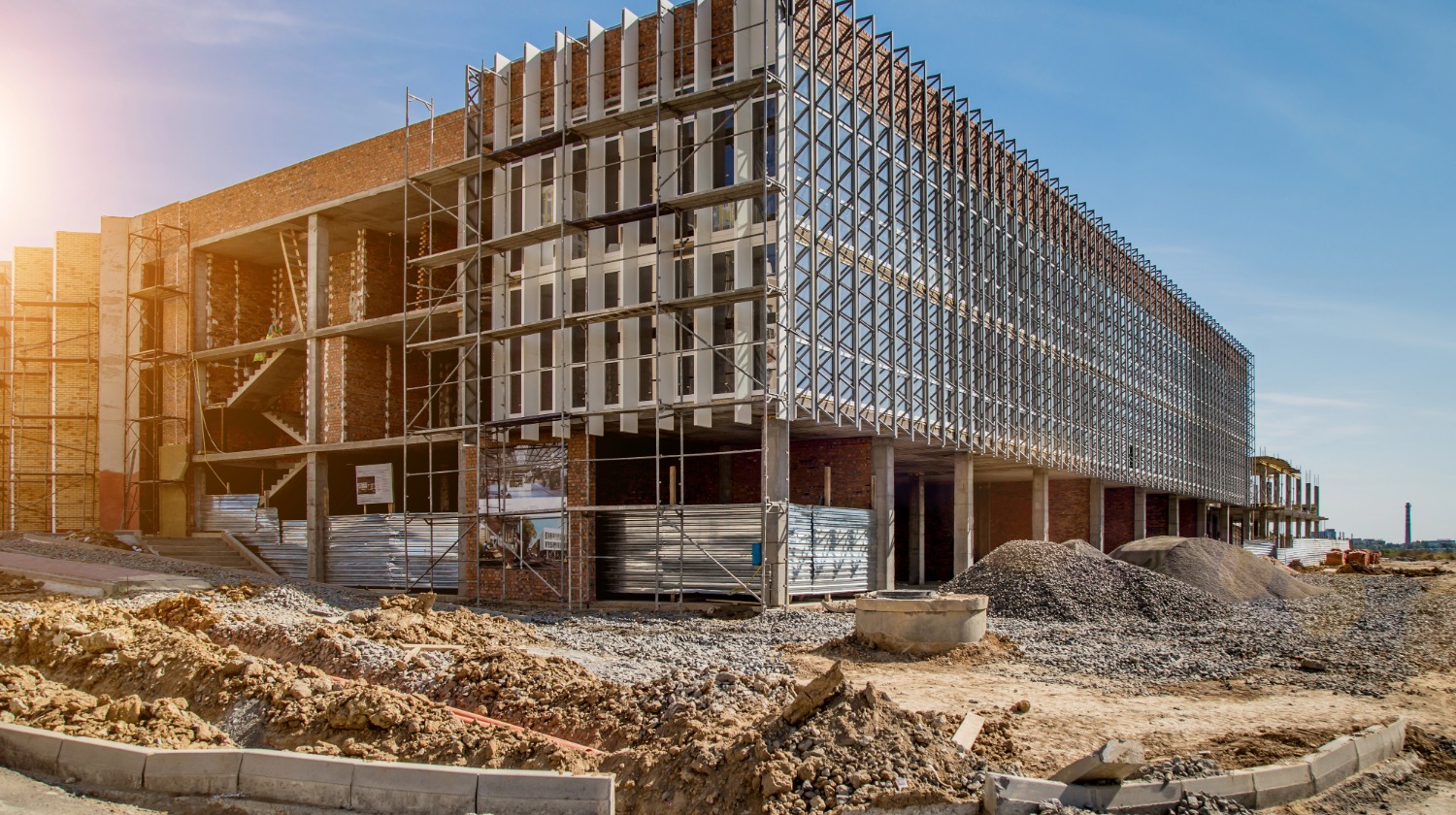
Subcontractors and suppliers can use construction liens to secure payment when they are not paid for labor, materials, equipment, or services provided to a project. A properly filed lien can attach to the improved property, create leverage with owners and contractors, and help move unpaid invoices toward resolution. Because lien rights depend on strict notice, filing, and enforcement deadlines, subcontractors and suppliers should act quickly once payment issues begin.
Subcontractors and suppliers are often some of the most financially exposed parties on a construction project. They provide labor, materials, equipment, specialized services, and project support before receiving final payment. Their work keeps the project moving, but their payment often depends on several layers of approvals, payment applications, change orders, funding draws, owner payments, and general contractor processing.
When payment slows down or stops entirely, subcontractors and suppliers may feel stuck. They may not have a direct contract with the property owner. They may be told payment is “coming soon.” They may hear that the general contractor is waiting on the owner, the lender, the architect, or another party. Meanwhile, payroll, material costs, equipment rentals, insurance, fuel, and operating expenses still have to be paid.
That is why construction lien rights are so important.
A construction lien, often called a mechanic’s lien, gives qualifying contractors, subcontractors, suppliers, and other project contributors a legal claim against the improved property when they are not paid for labor, materials, or services. For subcontractors and suppliers, lien rights can be one of the strongest tools available to secure payment and create leverage before an unpaid balance becomes a serious cash flow problem.
Understanding how lien rights work, when to act, and how to protect those rights can make the difference between recovering payment and being treated as just another unsecured creditor.
Construction payment chains can be complicated. On a typical commercial project, the owner contracts with the general contractor. The general contractor then hires subcontractors. Those subcontractors may hire lower-tier subcontractors or purchase materials from suppliers. Suppliers may provide materials directly to the jobsite, to a subcontractor, or to another supplier.
Every added layer creates more room for payment delays.
A subcontractor may finish its scope correctly but still wait because the general contractor has not been paid. A supplier may deliver materials on time but get caught in a dispute between the subcontractor and the contractor. A lower-tier subcontractor may have no relationship with the owner at all, even though its work improved the owner’s property.
This structure creates a serious imbalance. The property benefits from the work and materials, but the parties who provided that value may not have direct control over the payment process.
Lien laws exist to address that imbalance. They recognize that if labor or materials improved a property, the unpaid parties who contributed to that improvement deserve a legal path to secure compensation.
A construction lien is a legal claim recorded against a property for unpaid labor, materials, equipment, or services provided to improve that property. If properly filed and enforced, the lien can affect the owner’s ability to sell, refinance, transfer, or clear title to the property until the claim is resolved.
For subcontractors and suppliers, a lien is not just a collection threat. It is a security interest tied to the improved property. That makes it different from a standard unpaid invoice.
Without lien rights, an unpaid subcontractor or supplier may only have a contract claim against the party that hired them. If that party becomes insolvent, disappears, disputes the balance, or refuses to pay, recovery can become much harder. A lien gives the unpaid party leverage because the claim reaches beyond the immediate customer and attaches to the property that received the benefit of the work or materials.
That leverage can create urgency. Owners, developers, lenders, title companies, and general contractors generally do not want unresolved liens clouding a project. Even when the owner has already paid the general contractor, a valid lien from an unpaid subcontractor or supplier may still create pressure to resolve the issue, depending on state law and project facts.
Lien rights vary by state, but they often extend to parties that contribute labor, materials, equipment, or professional services to a construction project. This may include:
Subcontractors and suppliers should never assume they do or do not have lien rights without checking the rules that apply to the project location. A supplier that has strong lien rights in one state may face stricter notice requirements in another. A subcontractor on a private commercial project may have different rights than one working on a public project. A lower-tier supplier may have rights in one jurisdiction but limited rights in another.
The key point is this: lien rights are powerful, but they are technical. Eligibility depends on the state, the project type, the claimant’s role, the contract structure, the notice history, the work performed, and the timing of each required step.
Subcontractors carry major project responsibilities. They provide trade labor, manage crews, coordinate materials, absorb scheduling changes, comply with safety requirements, respond to revisions, and often perform work before receiving full payment.
When payment is delayed, the subcontractor may still have to pay employees, vendors, lower-tier subcontractors, equipment providers, and tax obligations. Even one unpaid project can create a serious cash flow squeeze.
Lien rights help subcontractors by creating a structured legal path to protect payment. A properly preserved lien claim can:
Lien rights are especially important when the dispute involves retainage, unpaid change orders, back charges, delay claims, scope disagreements, or “pay when paid” language. Even when contract terms are disputed, lien rights can preserve leverage while the parties work toward resolution.
Suppliers face a different but equally serious risk. They may not control the jobsite, schedule, or payment application process. They may simply receive an order, provide materials, and extend credit based on a customer relationship.
If the customer fails to pay, the supplier may have limited visibility into what happened after delivery. The materials may have already been installed or incorporated into the property. The owner may not even know the supplier remains unpaid.
Lien rights help suppliers connect their unpaid materials to the property improvement they supported. This can be crucial when the direct customer is a subcontractor, distributor, or contractor that is experiencing cash flow issues.
For suppliers, good documentation is especially important. Delivery tickets, signed receipts, purchase orders, invoices, shipping records, job names, property addresses, credit applications, and account statements can all help establish the connection between the materials supplied and the project that benefited from them.
Suppliers should also be careful about extending additional credit once an account becomes seriously past due. Continuing to ship materials without addressing unpaid balances can increase exposure and complicate recovery.
Many states require subcontractors and suppliers to send a preliminary notice early in the project to preserve lien rights. This notice typically informs the property owner, general contractor, lender, or other required parties that the claimant is providing labor or materials to the project.
A preliminary notice is not usually an accusation or a collection demand. It does not mean the account is past due. Instead, it is a protective step that puts key parties on notice that the subcontractor or supplier is involved in the project and may have lien rights if unpaid.
This matters because owners and general contractors often use notice information to track who is working on the project and who may need to be paid before final closeout. In many states, failing to send the required notice on time can limit or eliminate lien rights.
Notice requirements vary widely. Some states require notice within a certain number of days after first furnishing labor or materials. Some require notice before filing a lien. Some have different rules for residential and commercial projects. Some require notices to be sent by certified mail, registered mail, personal delivery, or another approved method. Some require very specific language.
Because deadlines can be short, subcontractors and suppliers should not wait until an invoice is already overdue to think about lien rights. Lien protection should begin at project intake.
A notice of intent to lien is different from a preliminary notice. It is typically sent after payment becomes overdue and before a lien is filed. The purpose is to give the owner, general contractor, or other responsible parties a final warning that a lien may be filed if the balance is not resolved.
In many cases, a notice of intent to lien can lead to payment without the need to record the lien itself. It signals that the claimant understands its rights, is tracking the deadline, and is prepared to escalate if needed.
For subcontractors and suppliers, this can be a valuable step because it creates urgency while still leaving room for resolution. A customer who ignored standard invoice reminders may respond quickly once the possibility of a lien becomes real.
However, a notice of intent should not be treated casually. Some states require it. Others do not. Some require specific timing before filing. Sending the wrong notice, sending it late, or sending it to the wrong parties may weaken the claim. This is another reason professional support is important when payment disputes begin to escalate.
If payment still is not made, the next step may be filing the construction lien. A lien filing generally includes important information such as the claimant’s name, the property owner, the project location, the amount owed, the labor or materials provided, the relevant dates, and the party that hired the claimant.
Accuracy matters. Errors in the property description, claimant name, amount claimed, dates, notice history, or service requirements can create challenges. Overstating the amount owed can also cause problems in some jurisdictions.
Once filed, the lien generally must be served on required parties within the timeframe set by state law. Filing alone may not be enough. The claimant may also need to provide notice to the owner, contractor, or other parties.
A recorded lien can create serious pressure because it clouds title. It may affect project financing, refinancing, sale, permanent loan conversion, owner closeout, or future development plans. For that reason, owners and general contractors often take lien claims seriously, especially when the documentation is strong and deadlines have been followed.
Filing a lien does not always end the process. If the lien is not resolved through payment or settlement, the claimant may need to enforce the lien by filing a lawsuit within the required deadline.
This deadline is separate from the deadline to file the lien. In some states, the enforcement period is short. If the claimant misses the enforcement deadline, the lien may expire even if it was originally filed correctly.
Enforcement is a major escalation. It can involve litigation, legal costs, court filings, title issues, and potentially foreclosure of the lien claim. Many lien disputes settle before reaching that point, but the ability to enforce is what gives the lien its strength.
Subcontractors and suppliers should track both deadlines: the deadline to file the lien and the deadline to enforce the lien. Missing either can damage recovery options.
Lien waivers are common in construction payment. Owners and general contractors often require subcontractors and suppliers to sign lien waivers before releasing progress payments or final payments.
A lien waiver generally confirms that the signing party is waiving lien rights for certain work, materials, or payment amounts. Used correctly, lien waivers help create transparency and prevent duplicate claims. Used carelessly, they can cause serious payment problems.
Subcontractors and suppliers should pay close attention to whether a waiver is conditional or unconditional.
A conditional lien waiver generally becomes effective only when payment is actually received or clears. This can protect the claimant when payment is pending.
An unconditional lien waiver may waive rights immediately, even if payment has not actually been received. Signing an unconditional waiver before funds clear can create risk if the check bounces, the ACH fails, or payment is delayed.
Before signing any lien waiver, subcontractors and suppliers should confirm that the waiver accurately describes the payment, project, invoice period, amount, and scope being released. A waiver should not accidentally release unpaid retainage, disputed change orders, future work, or other open balances unless that is the clear intent.
Lien rights are deadline-driven and detail-sensitive. Many subcontractors and suppliers lose leverage not because they lacked a valid claim, but because they waited too long or missed a procedural step.
Common mistakes include:
The best time to protect lien rights is before payment trouble begins. Subcontractors and suppliers should build lien tracking into their project setup, credit approval, invoicing, and collections workflow.
Strong documentation improves lien claims and commercial collection efforts. When an account becomes past due, the ability to quickly prove the debt can affect the speed and success of recovery.
Useful documents include:
For suppliers, proof that materials were delivered to or intended for the specific project is especially important. For subcontractors, scope documentation, labor records, change order history, and payment applications can be critical.
A lien is not the only tool available to subcontractors and suppliers, and it should not always be viewed as the first or only option. In many cases, commercial collection efforts can resolve the matter before a lien must be filed or enforced.
A strong recovery strategy may include professional demand letters, direct communication, debtor investigation, payment negotiation, dispute review, lien notices, lien filing, bond claims, litigation support, judgment enforcement, or settlement strategy.
The right approach depends on the amount owed, the project type, the age of the debt, the documentation, the debtor’s financial condition, the customer relationship, and the applicable state law.
For many subcontractors and suppliers, the most effective strategy is early escalation. If an account reaches 60 to 90 days past due and the customer is not communicating or keeping payment promises, it is time to review lien rights and collection options. Waiting too long can reduce leverage, increase costs, and create avoidable legal obstacles.
Lien rights usually apply to private property projects. Public projects are different because public property generally cannot be liened in the same way. Instead, subcontractors and suppliers on public projects may need to pursue payment bond claims.
Payment bonds are designed to protect unpaid parties who provide labor or materials to qualifying public projects. Bond claim rules, like lien rules, are deadline-driven and vary by project type, jurisdiction, and contract structure.
Subcontractors and suppliers should identify early whether a project is private, public, federal, state, municipal, or bonded. That information affects which remedies are available and what deadlines apply.
When payment becomes overdue, subcontractors and suppliers should act quickly and methodically.
First, review the contract, purchase order, payment terms, change order history, and invoice status. Confirm whether the amount is undisputed, partially disputed, or tied to missing documentation.
Next, verify the project information. Confirm the legal property address, owner, general contractor, customer, lender if known, and job number. This information may be needed for notices or lien filings.
Then, check the applicable lien deadlines. The most important dates often include first furnishing, last furnishing, preliminary notice deadline, notice of intent deadline, lien filing deadline, and lien enforcement deadline.
Finally, escalate before the account becomes stale. Professional collection support can help determine whether to continue direct outreach, send a formal demand, issue a notice of intent, file a lien, or involve legal counsel.
Construction lien rights are powerful, but they are also easy to mishandle. Each state has its own requirements, and small mistakes can create large consequences. Subcontractors and suppliers do not need a generic collection approach. They need a recovery strategy that understands construction payment chains, lien deadlines, documentation, project disputes, and commercial debt recovery.
Miller, Ross & Goldman helps subcontractors, suppliers, contractors, and other commercial creditors pursue overdue accounts with professionalism and persistence. Our team can help evaluate unpaid construction balances, support lien-related collection strategies, and escalate matters through our nationwide network of commercial collection attorneys when needed.
Whether you are dealing with unpaid invoices, retainage disputes, ignored payment applications, broken promises, or a customer who has stopped responding, acting early gives you the best chance to protect your rights and recover what you are owed.
Subcontractors and suppliers should never assume that payment will resolve itself simply because the work was completed correctly or materials were delivered on time. In construction, the parties who wait the longest often have the least leverage.
Lien rights give unpaid project contributors a way to secure payment, create urgency, and protect their position before the balance becomes harder to collect. But those rights depend on deadlines, notices, documentation, and timely action.
If your business is owed money on a construction project, do not wait until your lien rights are at risk.
Contact Miller, Ross & Goldman today to discuss your unpaid construction account and learn how our commercial collection and lien support services can help protect your right to payment.
