
Miller, Ross & Goldman
Global Commercial Debt Collection & Legal Services
Global Commercial Debt Collection & Legal Services
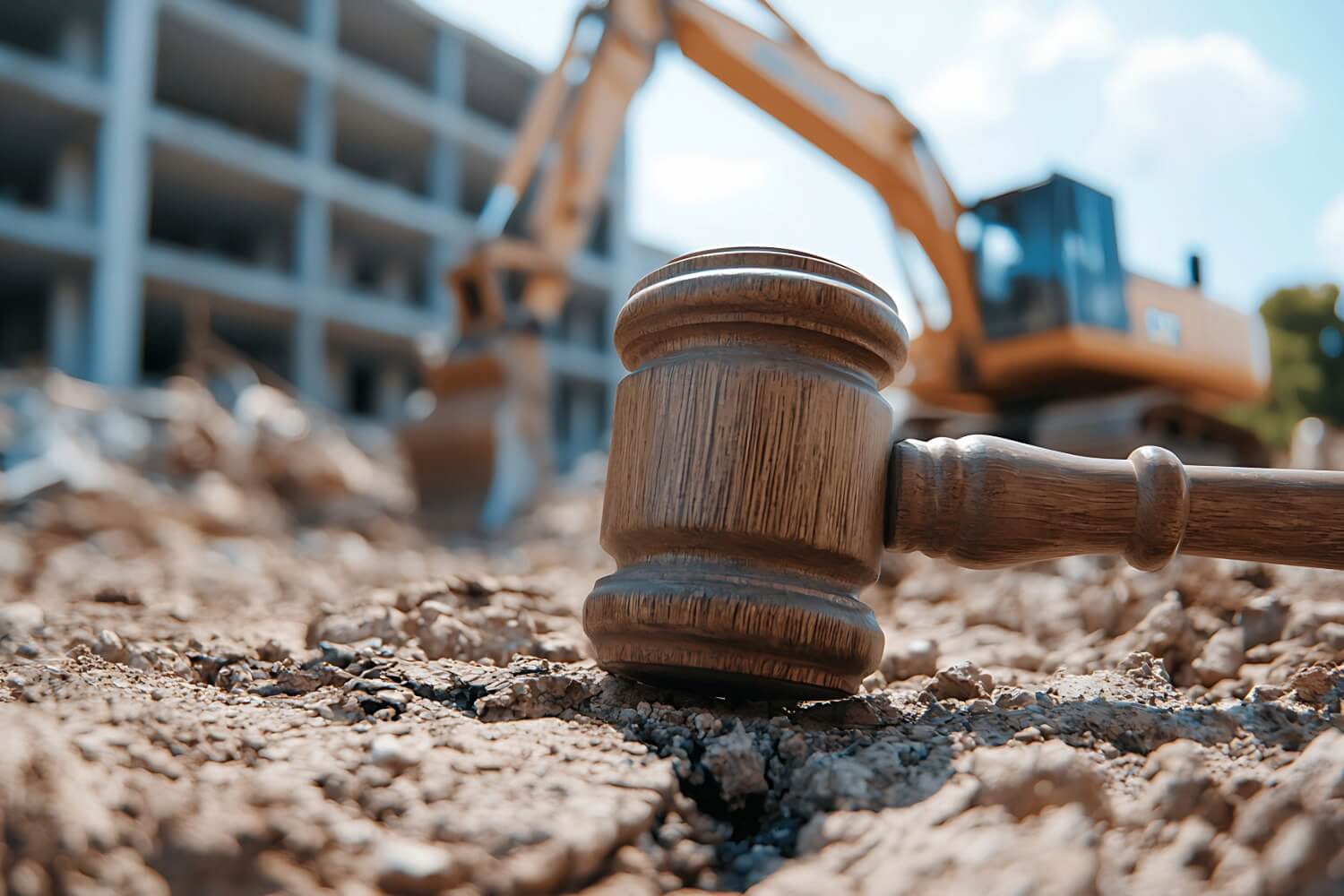
Construction liens, often called mechanic’s liens, are among the strongest tools available to contractors, subcontractors, and suppliers seeking payment for their work. When filed correctly, a lien creates a legal claim on the property you improved, ensuring that unpaid labor or materials cannot be ignored.
However, lien laws are strict, timeline-driven, and vary dramatically from state to state. Even small mistakes can invalidate your right to recover payment. At Miller, Ross & Goldman, we routinely help clients navigate the lien process and avoid the errors that often jeopardize a claim.
Below are the most common pitfalls. and how to prevent them.
A major issue that derails many lien claims is the failure to send preliminary notices on time. In numerous states, subcontractors and suppliers are required to notify the property owner early in the project that they are providing labor or materials. This notice preserves their ability to file a lien later if payment becomes an issue.
The deadlines for preliminary notices can be surprisingly short, sometimes within the first few weeks of work. If the notice is missed or delivered late, your lien rights may disappear completely. The best way to avoid this problem is to understand your state's specific notice rules and develop a consistent internal process for issuing them. Always document when notices were sent and how they were delivered to ensure you can prove compliance later.
Every state has strict rules for when a construction lien must be filed, and these deadlines typically begin counting down from the last day that labor or materials were provided. Waiting too long, even if a customer is promising payment, is one of the costliest mistakes contractors make.
The solution is to track your last date on the project with precision and calculate your lien deadline accordingly. Many businesses set reminders or create a standardized timeline chart for each project. Acting early, rather than waiting until the last day, reduces stress and ensures your rights are preserved even if negotiations stall.
Construction liens require precision. Property descriptions must be accurate, the amount claimed must be correct, and the names of owners, contractors, and suppliers must be spelled exactly as they appear on official documents. Even small mistakes, such as using a street address instead of a legal property description, can cause the lien to be rejected.
To avoid this, verify all information with county property records, review signed contracts carefully, and double-check all dates and numbers before filing. A lien is a legal document, and as such, attention to detail is essential.
Another common pitfall is including charges in the lien that are not legally lienable. While states differ on what may be included, most limit liens to the direct value of labor and materials. Adding non-lienable costs, such as late fees, administrative costs, or unrelated charges, can weaken or invalidate the claim.
The safest approach is to calculate your lien amount conservatively and in accordance with state law. When uncertain, consult a professional who understands what qualifies as lienable in your jurisdiction.
Large commercial projects often involve multiple owners, general contractors, lenders, and property interests. Filing a lien against the wrong party or omitting a necessary party can undermine the entire claim.
To avoid confusion, research the official property owner through public records and clarify contractual relationships before filing. Understanding exactly who holds the interest you are liening is a critical step that should never be rushed.
Many states require that a filed lien be formally served on the property owner within a short period, often just days after filing. Neglecting this step or using an unauthorized method of service can result in the lien being dismissed.
Make sure you know the acceptable service methods where the property is located. Certified mail, personal service, and statutory notices may all be required. Always retain proof that the lien was served correctly.
Filing a lien is not the end of the process. If payment is still not made, you may need to enforce, or foreclose, the lien through legal action. Enforcement deadlines are strict, and once the statutory period expires, the lien becomes unenforceable.
The best practice is to monitor enforcement timelines as closely as filing deadlines. If payment has not been received toward the end of the enforcement window, it is crucial to involve legal support immediately to protect your claim.
Lien claims depend heavily on documentation. Missing contracts, incomplete change orders, unclear invoices, or undocumented conversations can weaken your ability to prove the value of your work.
To avoid documentation issues, maintain organized project files that include contracts, delivery receipts, change approvals, and communication logs. Clear documentation strengthens your credibility and reinforces the validity of your lien.
Construction lien statutes are unforgiving. A single missed step, no matter how small, can destroy your right to recover payment. Because of this, many contractors turn to professionals who handle liens regularly and understand the nuances of state-specific rules.
Working with an experienced commercial collection agency like Miller, Ross & Goldman can make the process far smoother. Our team ensures every notice is timely, every document is accurate, and every deadline is met so your rights remain protected.
Construction lien claims are powerful, but only when executed correctly. By avoiding common pitfalls such as missed notices, filing delays, inaccurate information, or poor documentation, you significantly increase the likelihood of recovering the money you’re owed.
Miller, Ross & Goldman specializes in commercial debt recovery and construction lien support for contractors, suppliers, and specialty trades nationwide. If you’re facing unpaid invoices or need guidance with lien filings, our team is here to help.
Contact Miller, Ross & Goldman today and let our experts protect your lien rights and secure the payment you deserve.
